



Other CT Humanities Programs

Creative Commons Licensing


Now Viewing:
New London
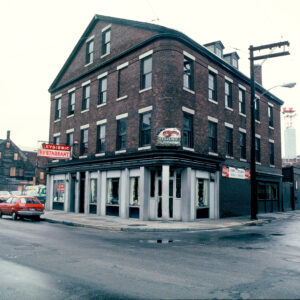
New London’s Hygienic Art Building
Located at the corner of Bank and Golden Streets, the Hygienic structure is an integral part of New London’s architectural history.
Read
“Legalized Piracy”: Connecticut’s Revolutionary War Privateers
American colonists employed privateers as part of the military effort against the British during the American Revolution.
Read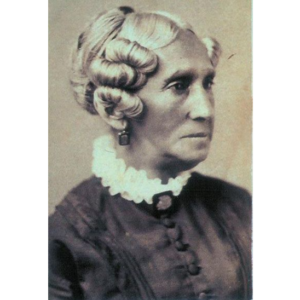
Sarah Harris Fayerweather
Sarah Harris Fayerweather was a Black activist and abolitionist who fought for school integration in the early 19th century.
Read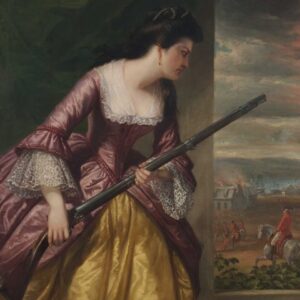
Abigail Hinman: Heroine of the American Revolution or Legend?
Allegedly defending her house during the American Revolution in 1781, New London resident Abigail Hinman made a name for herself as a patriot legend.
Read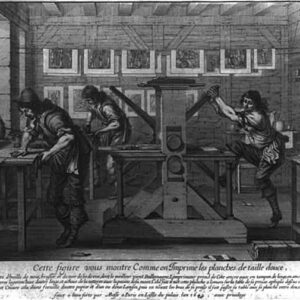
Thomas Short – Connecticut’s First Official Printer
Thomas Short became the Connecticut Colony’s first official printer in 1708, printing the laws and proclamations for the colonial legislature as well as the colony’s first book.
Read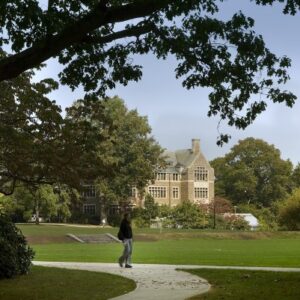
Connecticut College for Women: The State’s First All-Female Institution of Higher Learning
At a time when most universities accepted only men, Connecticut College for Women provided a liberal arts education for women.
Read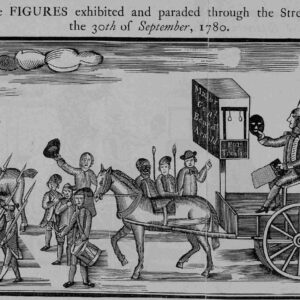
New London’s Tradition of Burning Benedict Arnold…in Effigy – Who Knew?
New London has a yearly tradition of burning an effigy of Benedict Arnold, the infamous Revolutionary War general turned traitor.
Read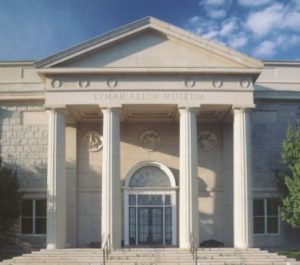
The Lyman Allyn Opens – Today in History: March 2
On March 2, 1932, the Lyman Allyn Art Museum, founded by Harriet Upson Allyn in New London, had its grand opening.
Read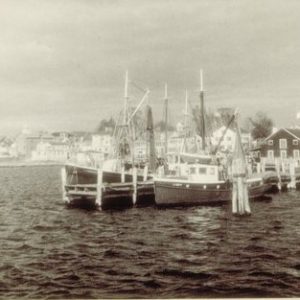
The Sea in their Blood: The Portuguese in New London County
Many Portuguese immigrants came to the US as mariners serving aboard ships, some remained to build new lives and communities in Connecticut.
Read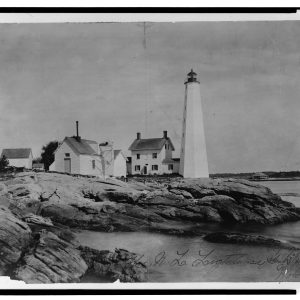
New London Harbor Lighthouse: Connecticut’s First Official Lighthouse
New London Harbor Lighthouse, originally opened in 1761 and rebuilt in 1801, is Connecticut’s oldest surviving and tallest lighthouse.
Read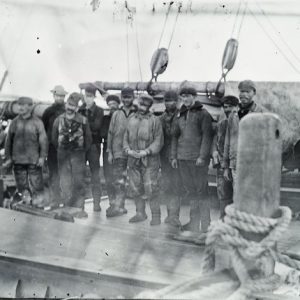
Africans in Search of the American Dream: Cape Verdean Whalers and Sealers
Cape Verdeans formed parts of whaling and sealing crews leaving Connecticut since the early 19th century, sometimes even rising to positions of authority.
Read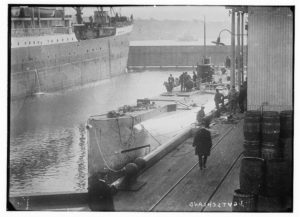
New London Harbors a German Submarine During World War I – Who Knew?
The German merchant submarine Deutschland made two trips to America, including one to New London, Connecticut, during World War I.
Read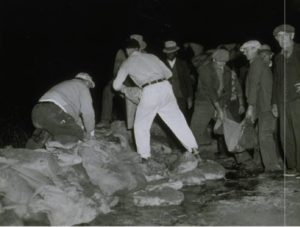
The Hurricane of 1938 Rocks Connecticut
Together the combination of chance and human error produced the most destructive hurricane in Connecticut’s history.
Read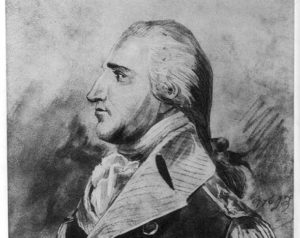
Benedict Arnold Turns and Burns New London
September 6, 1781 was a brutal and terrifying day for Connecticut citizens living on both sides of New London harbor, along the Thames River.
Read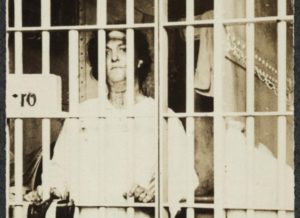
19th Amendment: The Fight Over Woman Suffrage in Connecticut
In Connecticut, Frances Ellen Burr and Isabella Beecher Hooker took up the cause by forming the Connecticut Woman Suffrage Association (CWSA) in 1869.
Read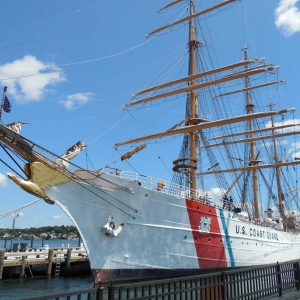
Maritime History: The Founding of the United States Coast Guard Academy
Connecticut has been home to the United States Coast Guard Academy since the early 1900s.
Read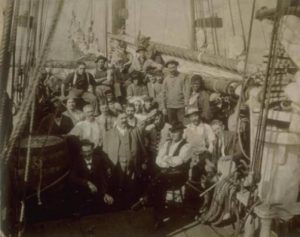
The Rise and Fall of Sealing in Early New London Industry
New London owed much of its early prosperity to the success of its whaling fleet: it was once the third-largest whaling port in the world.
Read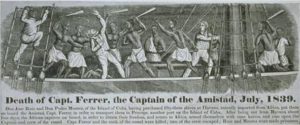
The Amistad
After enslaved people revolted and took control of the Amistad in 1839, Americans captured the ship off Long Island and imprisoned the enslaved in New Haven.
Read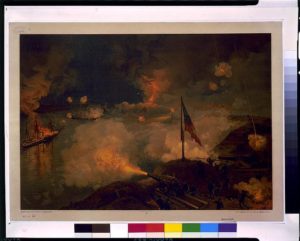
Connecticut’s Naval Contributions to the Civil War
Companies across Connecticut helped keep the Union navy afloat while sea-savvy leaders and sailors from the state kept it in fighting form.
Read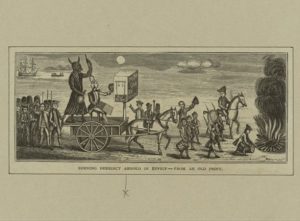
Benedict Arnold: America’s Most Famous Traitor
Benedict Arnold of Norwich was one of the great Continental army heroes of the American Revolution before committing treason and joining the British army.
Read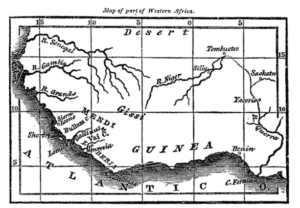
A Different Look at the Amistad Trial: The Teenager Who Helped Save the Mende Captives
James Benajmin Covey, a former slave, was only 14 years old when asked to serve in one of the most publicized trials in American history.
Read
Chief G’tinemong/Ralph W. Sturges
This Mohegan Chief is remembered for successfully guiding the Tribe through the final stages of Federal Recognition, which it obtained in 1994.
Read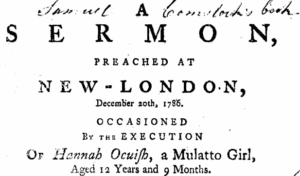
A Most Unusual Criminal Execution in New London
On December 20, 1786, a crowd gathered behind New London’s old meeting house to witness the execution of a convicted murderer.
Read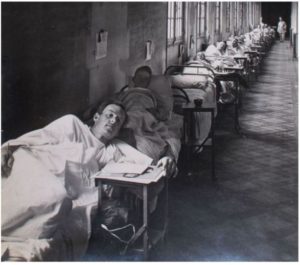
Eighty-Five Hundred Souls: the 1918-1919 Flu Epidemic in Connecticut
The state’s busy ports provided an easy point of entry for the disease that claimed millions of lives around the world.
Read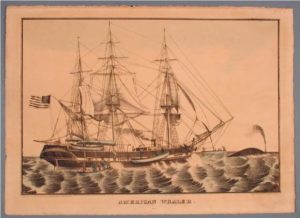
New London’s Indian Mariners
In an era of dispossession and diminishing autonomy on land, Native American mariners learned to use Anglo-American structures and institutions to establish a degree of power and personal freedom for themselves.
Read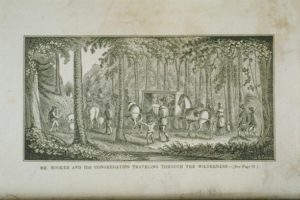
The Importance of Being Puritan: Church and State in Colonial Connecticut
Connecticut Protestants wanted to cleanse the church of what they saw as corruption, and to return to the simplicity and purity of early Christian worship.
Read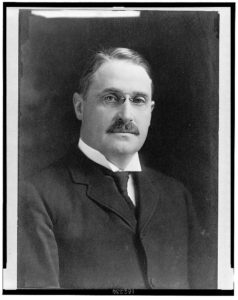
Senator Brandegee Stonewalls Women’s Suffrage
Senator Frank Brandegee of New London vehemently opposed progressive legislation at the national level, particularly when it came to the issue of women’s suffrage.
Read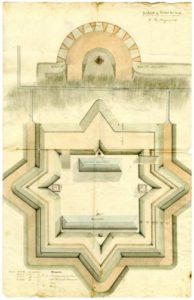
Defending Connecticut: Fortifying New London Against the British in 1812
“Sir, You will immediately commence the repairs of the magazine at Fort Trumbull and the block house at Fort Griswold…,” wrote the US Secretary of War to a captain in New London.
Read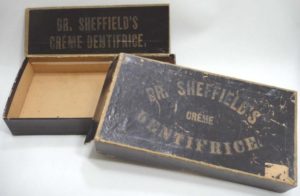
Aristocratic Dental Cream Gets Squeezed
Taking advantage of his skills as a dentist and chemist, Dr. Washington Wentworth Sheffield, in 1850 at the age of 23, invented modern toothpaste.
Read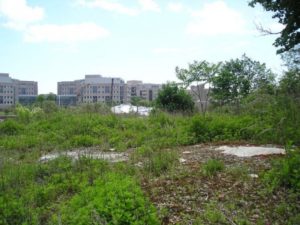
Private vs. Public Property – Today in History: June 23
On June 23, 2005, the US Supreme Court ruled in a precedent-setting eminent domain case Kelo et al vs. New London,.
Read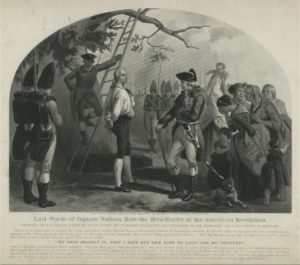
Nathan Hale: The Man and the Legend
A school teacher hanged as a spy during the American Revolution, Nathan Hale became Connecticut’s official state hero in 1985.
Read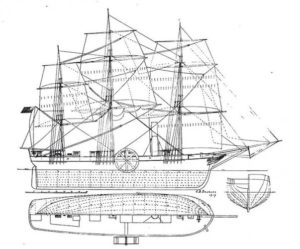
Steaming Across the Atlantic
New London’s advantageous location on Long Island Sound made it a center for innovation in the transportation of goods and services by sea.
Read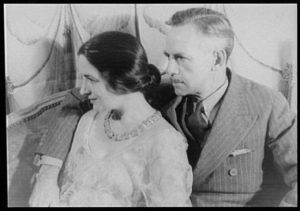
Eugene O’Neill’s Connecticut Connections
Playwright Eugene O’Neill drew inspiration for much of his work from his childhood hometown of New London.
Read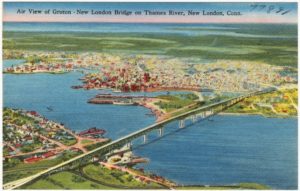
I-95 Reaches New London
The arrival of I-95 to New London brought tremendous change to the city’s infrastructure, as well as to its businesses and neighborhoods.
Read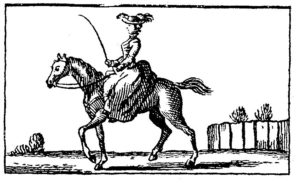
Sarah Kemble Knight’s Journey through Colonial Connecticut
In 1704, when long distance travel was rare and roads crude, a Boston woman journeyed by horseback to New York City and recorded her views of Connecticut along the way.
Read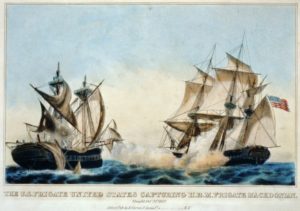
Site Lines: The Mysterious Blue Lights
During the War of 1812, warning signals in the form of two blue lights prevented US ships from slipping past the British blockade of New London’s harbor.
Read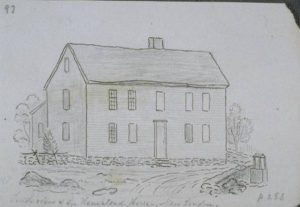
The Joshua Hempsted Diary: A Window into Colonial Connecticut
This accomplished New London resident chronicled his daily life over a 47-year period from 1711 to 1758.
Read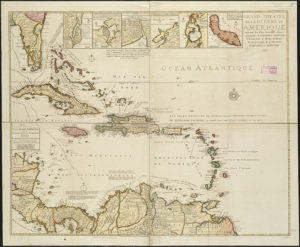
Connecticut and the West Indies: Sugar Spurs Trans-Atlantic Trade
This profitable exchange brought wealth and sought-after goods to the state but came at the price of supporting slavery in the bargain.
Read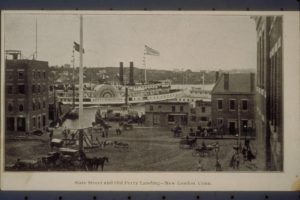
New London’s Ferries: A Transportation Tradition
For more than three centuries, ferry service has provided vital transportation to residents and businesses around New London.
Read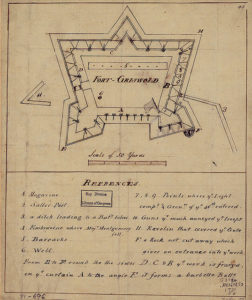
Fort Griswold Attacked – Today in History: September 6
On September 6, 1781, British forces overtook Fort Griswold and killed many of the Patriots who had surrendered.
Read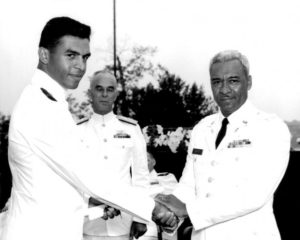
Academy Graduates First African American Student – Today in History: June 8
On June 8, 1966, the US Coast Guard Academy in New London graduated the first African American student, Ensign Merle James Smith, Jr.
Read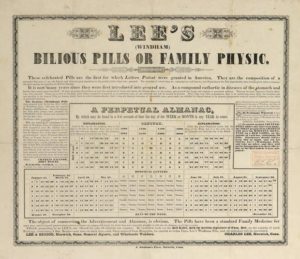
First American Medicine Patent – Today in History: April 30
On April 30, 1796, Samuel Lee Jr. of Windham, Connecticut, received a Letters Patent for his composition of bilious pills.
Read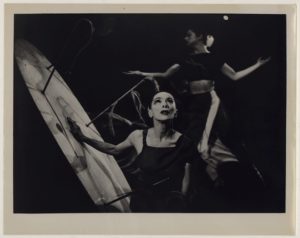
Martha Graham, Connecticut College, and the American Dance Festival
Martha Hill established the School of the Dance on the campus of the Connecticut College for Women in 1948, and hired such renowned instructors as Martha Graham.
Read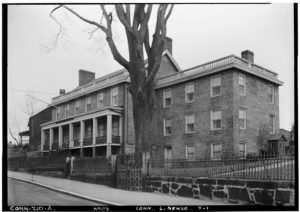
New London’s Sound Defense
The use of privateers to supplement naval forces and wage war on an enemy was established European practice—and one the rebellious North American colonies readily adopted as they faced Britain, one of great military powers at sea, during the Revolutionary War.
Read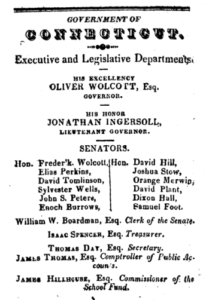
Elias Perkins: One of Lisbon’s Most Accomplished Public Servants
Elias Perkins’s career in public service lasted nearly half a century and made him a popular figure both locally and nationally.
Read
The USS Nautilus: The World’s First Nuclear Submarine
On January 21, 1954, First Lady Mamie Eisenhower launched the world’s first nuclear submarine at the General Dynamics Shipyard in Groton.
Read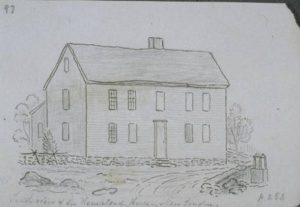
Joshua Hempsted Born – Today in History: September 1
On September 1, 1678, Joshua Hempsted was born in New London, Connecticut.
ReadMore Articles